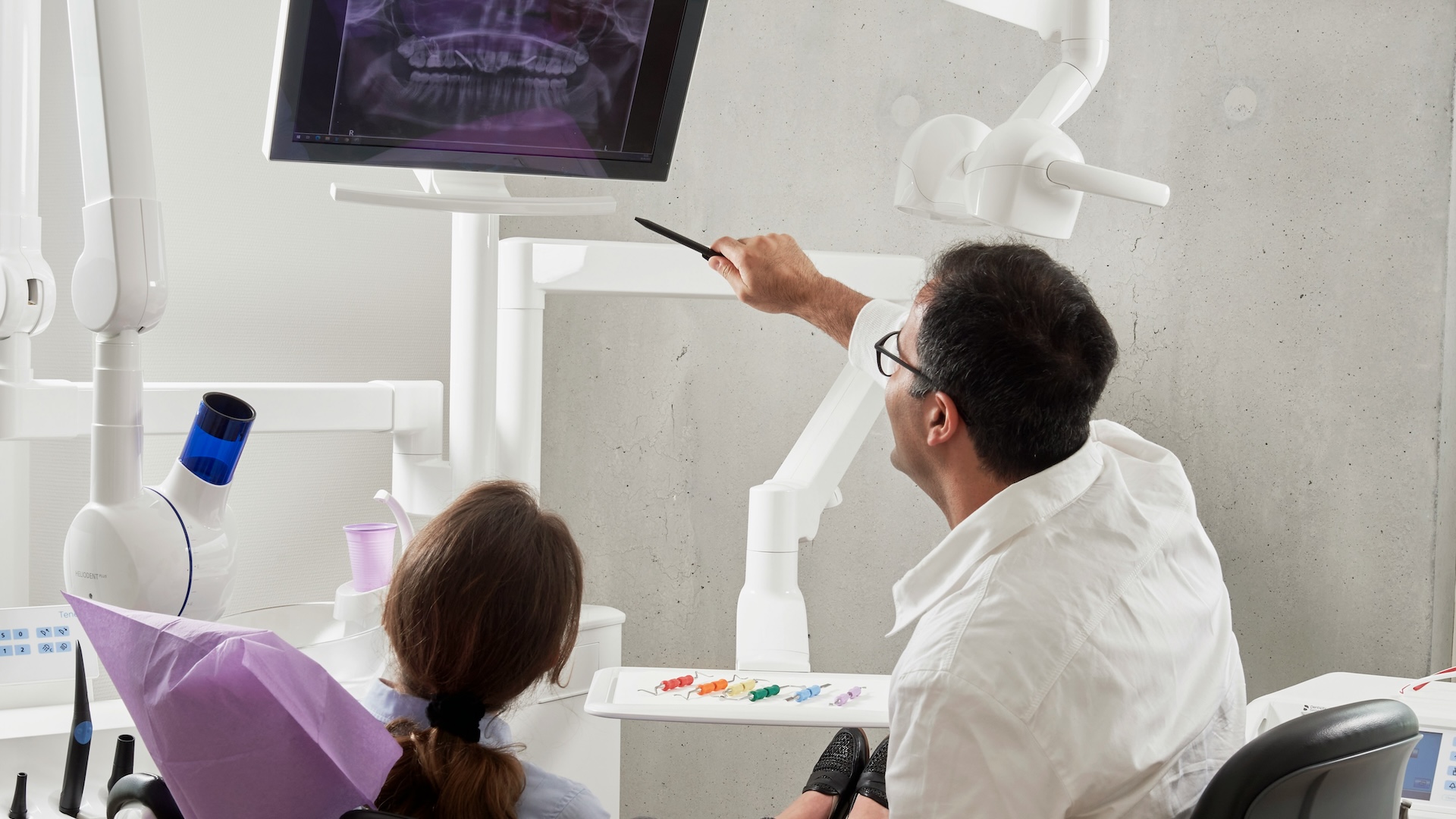
How to avoid the dental video mistakes that make a shoot sound stiff, miss its audience, and sit unused after the crew leaves.
Most dental video mistakes start long before anyone presses record. Your team blocked the schedule. The operatories are spotless. Everyone agreed to be on camera, some with more enthusiasm than others.
Then the finished videos arrive and something feels off. The footage looks great, but your doctor sounds like she’s reading a brochure. The story could belong to any practice in town. Nobody knows where the videos should go, so one gets posted to Instagram and the rest sit in a shared drive.
We’ve seen this across 500-plus practices in eight years of dental production. A single big blunder rarely causes it. A handful of small decisions, made before, during, and after the shoot, add up to a video that underdelivers. These are the seven dental video mistakes we see most, and what we do about each one.
Table of Contents
- Starting with the camera instead of the goal
- Writing scripts that sound like website copy
- Skipping pre-production and office prep
- Chasing pretty visuals over sound, story, and comfort
- Treating consent, privacy, and accuracy as afterthoughts
- Making one edit for every platform
- Treating the shoot as a one-time project
- Fix these dental video mistakes before the cameras show up
- Dental video marketing FAQ
1. Starting with the camera instead of the goal
“We need a practice video” sounds like a clear request. It isn’t. A homepage overview, an implant education video, a new-doctor introduction, and a hygienist recruitment piece can all shoot in the same building, but each has a different audience and a different job.
When the goal is vague, every production choice becomes a guess. The interview questions drift. The shot list balloons because nobody wants to leave anything out. The editor gets hours of footage and no clear priority. The result looks polished but gives the viewer no reason to act.
For every major video, pick one audience, one takeaway, and one next step. An anxious patient needs warmth and reassurance. A referring dentist wants to know how you collaborate and communicate. A job candidate wants to see the team and the daily environment.
Vague goals cause some of the most expensive dental video mistakes. The narrower the purpose, the easier it is to decide what belongs in the video. A tight central video also gives the editor a strong base for the cutdowns that come later. If you’re not sure where to begin, our guide to the six videos every dental practice needs maps the common goals.
2. Writing scripts that sound like website copy
Language that reads well on a service page sounds stiff in a doctor’s mouth. Long sentences, credential lists, superlatives, and phrases like “state-of-the-art” and “comprehensive care” make speakers sound like they’re reciting.
Patients don’t want a perfect performance. They want a feel for what it would be like to call, visit, and trust you. Plain words and specific examples do that better than a paragraph memorized word for word.
Swap “We utilize state-of-the-art technology to deliver comprehensive care” for a question: what does this tool change for the patient? Maybe it shortens the appointment, helps the doctor explain a treatment plan, or removes a surprise. That answer is easier to say and more useful to hear.
This is why our dental videos start with the doctor’s personality. Most practices offer similar treatments. What separates them is how the doctor talks about the work and why they built the practice the way they did. A script tends to flatten that. A good interview pulls it out.
Match the format to the video:
- Guided interviews work best for practice stories, doctor profiles, and testimonials, because a skilled interviewer draws out natural answers and the details that make them specific.
- Short modular scripts suit ads, precise clinical explanations, and anything that has to hit an exact runtime.
- Talking points help confident speakers who want structure without memorizing lines.
A doctor talking about his practice philosophy in his own words. Nobody is reciting anything, and the delivery stays natural because the questions were about his work, not a script.
Natural still takes preparation. “Just wing it” gets you repetition, missing information, and long answers that are hard to edit. The speaker knows the subject and the purpose, and the crew helps the delivery feel human. We cover the interview side in depth in our post on capturing patient testimonials that sound real.
3. Skipping pre-production and office prep
Pre-production gaps cause dental video mistakes that no editor can fix later. A smooth shoot looks easy because someone made the hard decisions earlier. Interview order, room access, shot lists, patient participation, wardrobe, branding, cleaning, and staff schedules all decide what a crew can finish in a day.
Dental offices add their own problems. Operatories are tight. Metal, glass, and glossy cabinets bounce light around. HVAC, suction, hallway chatter, and ringing phones all fight with interview audio. Patient care can’t pause every time the crew wants another angle.
Name one internal coordinator who can confirm participants, approve spaces, and answer questions fast. They don’t need to make creative calls. They do need enough authority that a small question doesn’t eat an hour.
Then build a realistic schedule that protects patient care. Leave time to move gear, reset rooms, and let people settle in front of the camera. Decide ahead whether logos, monitors, charts, and family photos stay in frame. If patients will appear, finish your consent process before the crew arrives instead of handling it on the day.
Groups, DSOs, and agencies running several offices should standardize. Shared interview themes, the same room-prep checklist, and a fixed list of deliverables keep the campaign consistent while each location still sounds like itself.
4. Chasing pretty visuals over sound, story, and comfort
Cinematic camera moves can make an office look beautiful. They can’t fix a confusing message, bad audio, or a speaker who looks miserable. Gorgeous footage can hide dental video mistakes without fixing them.
Viewers forgive a simple shot faster than dialogue they can’t hear. Clean speech, answers that make sense, good light, a credible pace, and supporting footage that matches the words are the foundation. Gear matters because it delivers those things.
Comfort matters too. A crowded room, a rushed schedule, or too much direction makes real people look tense, especially in testimonials. The value of a testimonial is watching someone use their own words. Asking them to repeat a polished sentence until it no longer sounds like theirs takes that value away.
A patient who feels comfortable enough to open up on camera. That only happens when the room, the pace, and the interviewer let it.
Crew size depends on the job. One experienced pro can handle a focused shoot. Bigger productions may need separate people for producing, camera, lighting, sound, photography, or logistics. Skip the biggest kit and the longest call sheet, and staff the shoot for the story, the speakers, and the schedule.
5. Treating consent, privacy, and accuracy as afterthoughts
Dental video involves real people, health information, clinical spaces, and claims that can shape care decisions. Review for privacy and accuracy before you film. A last-minute check after the edit is too late, and privacy slips are among the hardest dental video mistakes to undo once a video is public.
Before a patient, a treatment image, a chart, a monitor, or any identifiable detail goes on camera, follow your practice’s permission and privacy process. Controlling the frame is easier than blurring things afterward. Casual b-roll counts too. A screen that looks unreadable on set can show up clearly in a high-resolution edit. The HIPAA Privacy Rule generally requires written authorization before a patient’s protected health information is used for marketing, and HHS explains the details in its guidance on HIPAA and marketing.
Give the clinical language its own review. Skip guaranteed outcomes, exaggerated promises, and wording that turns one patient’s result into a universal one. Treatment descriptions, before-and-after material, and ad claims should go through your normal clinical, compliance, or legal approval when appropriate.
A production partner with dental experience can spot common risks and ask better planning questions, but your practice owns its approvals and professional obligations. Rules vary by state and by licensing body, so check with your own advisers.
6. Making one edit for every platform
One horizontal master rarely works everywhere. A homepage visitor, a YouTube viewer, and someone scrolling a vertical feed all meet your video in a different setting. The same footage can serve all three. The edits shouldn’t match. Using one cut everywhere is one of the dental video mistakes that wastes good footage.
A homepage video has room to show personality and give an overview. A service-page video should answer one concern quickly. A paid ad needs a hook in the first seconds and one clear next step. A waiting-room edit may play on mute. A vertical social clip needs framing and on-screen text built for a phone.
Decide on aspect ratios, captions, hooks, calls to action, runtime, and space for graphics before the shoot. If you want vertical versions, the crew may need different framing or separate takes. If people will watch without sound, the edit needs captions and visual context, not dialogue alone.
Short doesn’t mean effective. A fifteen-second clip still needs one complete idea and an opening that works for someone who never saw the longer video. Build a deliverables map that pairs each asset with its audience, platform, and next action. Filming and editing both get sharper once that map exists.
7. Treating the shoot as a one-time project
A practice can spend weeks planning, publish one main video, and leave most of the value behind. Interviews hold answers that don’t fit the flagship story. B-roll can support service pages, recruiting, social posts, and later campaigns. Still photography carries the same look across your website. Leaving all of that unused is one of the dental video mistakes that costs the most over time.
Plan for a library. One coordinated production can capture a practice overview, doctor introductions, patient stories, FAQs, service content, recruiting material, photos, and reusable footage of the office and team. The goal is material that serves specific communication goals, and a huge pile of files doesn’t.
Organize footage and finished assets by topic, speaker, location, orientation, and intended use. Decide who owns distribution, and set a publishing calendar so videos don’t vanish into a shared drive after launch week. Record clean, evergreen answers that hold up for later edits, and avoid offers or details that will go stale.
This is where post-production range pays off. Editing, captions, motion graphics, platform-specific versions, and future cutdowns turn a well-planned shoot into a body of content instead of one moment on the calendar. Our dental video production cost guide shows how packages and deliverables affect the budget.
Fix these dental video mistakes before the cameras show up
Avoiding dental video mistakes doesn’t take a bigger production. It takes a few early decisions: who the video is for, what it should say, how people get prepared, what you need to protect, and where the finished content will live.
Make those calls first and the shoot goes calmer, the edit stays focused, and the videos have a real shot at supporting your marketing.
Dental video marketing FAQ
What are the most common dental video mistakes?
The seven covered above: starting without a clear goal, scripts that sound like website copy, weak pre-production, visuals that outrank sound and comfort, consent and accuracy gaps, one edit for every platform, and treating the shoot as a one-time project.
How long does a dental video shoot take?
A focused shoot, such as a practice overview plus a few doctor and team interviews, often fits in one day. Multi-location projects and larger content libraries take longer. The schedule depends on how many rooms, speakers, and deliverables you plan for, and the pre-production steps above decide how smoothly the day runs.
How many videos does a dental practice need?
Start with a practice overview, a doctor introduction, and a patient testimonial. Add service or procedure videos and recruiting content as your goals grow. Our guide to the six videos every dental practice needs covers the full list.
Should the doctor use a script?
For most practice stories, doctor profiles, and testimonials, a guided interview works better than a script, because it sounds like a person talking. Use short scripted lines for ads or precise clinical explanations where the wording has to be exact.
Do I need patient consent to feature patients in a video?
Follow your practice’s permission and privacy process before filming anyone, and before any chart, monitor, or identifiable detail appears on camera. Requirements vary, so check with your own legal or compliance advisers.
Can one shoot produce videos for the website, social media, and ads?
Yes, if you plan for it. Decide on aspect ratios, captions, hooks, and runtimes before filming, and the same footage can support a homepage video, vertical social clips, and paid ads with different edits.
Can you film multiple locations for a DSO or dental group?
Yes. We work with vetted videographers across North America and standardize interview themes, prep checklists, and deliverables so each office looks consistent and still sounds local.
Related guides
- The 6 Videos Every Dental Practice Needs on Its Website: a practical starting list for planning your video library.
- How to Capture Dental Patient Testimonials That Sound Real: interview and editing tips for patient stories.
- The Best Guide to Dental Video Production Costs: what affects pricing and how to budget.
- Chicago Dental Video Production & Photography and Los Angeles Dental Video Production: local production for each market.
- Why We Launched Gravity Dental Video: how we got here and what we focus on.
Ready to plan your dental video shoot?
Gravity Dental Video creates professional dental video production and photography for individual practices, marketing agencies, dental groups, and DSOs. We plan the strategy, coordinate the production with vetted videographers across North America, and edit each shoot into finished content for the channels you use. From practice overviews and patient testimonials to procedure content, social clips, and office photography, every production is built around your goals, your patients, and your personality.
Speak with Gravity Dental Video about a customized video and photography package. Visit gravitydentalvideo.com.